The Evolution of Sweetness:
Navigating the Natural
Sweetener Revolution
The global food and beverage industry is undergoing a permanent transformation. Driven by shifting consumer health consciousness, rising metabolic health concerns, and strict regulatory pressures on sugar reduction, the market for alternative sweetening solutions has exploded. Modern consumers are no longer just looking to cut calories; they are actively demanding “clean-label,” plant-derived ingredients that deliver authentic taste profiles.
To successfully substitute white refined sugar, product formulators look to a diverse toolkit of natural ingredients, classified by their structure, functional behavior, and caloric impact.

The classification of natural sweeteners
Natural sugar substitutes are classified into distinct structural categories based on how they behave in food science and how they are processed by the body:
-
Zero-calorie
high-intensity plant extracts:Sweeteners like Stevia and Monk Fruit offer hundreds of times the sweetness of sugar. They deliver zero glycemic impact and zero calories, making them the gold standards for metabolic health and deep sugar-reduction targets.
-
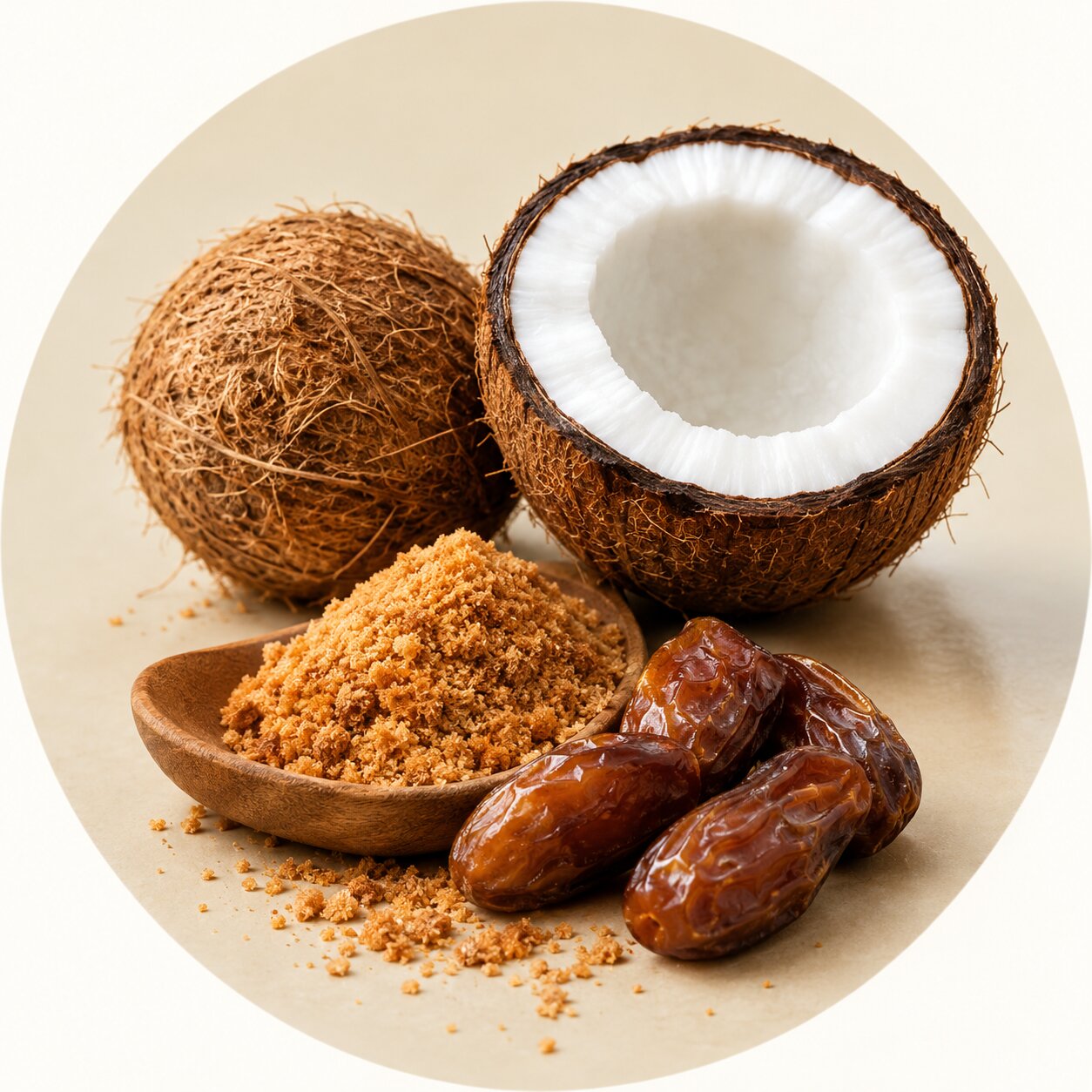
Caloric
plant sugars & whole foods:Ingredients like Coconut Sugar (dehydrated palm sap) and Date Sugar (ground whole dates) offer a direct dry volume match to white sugar. They bring rustic caramel flavor notes, intact nutrients, and a more gradual blood-sugar curve compared to refined options.
-
Liquid
saps & syrups:Agave Nectar, honey, and maple syrup function as excellent moisture enhancers. Agave dissolves perfectly in cold mixtures due to its high solubility, though its liquid format requires formulation adjustments to maintain structural integrity in solid foods.
Key market trends
-
1
The rise of clean labeling:
Consumers are heavily scrutinizing ingredient lists. Recognizable, plant-sourced ingredients are overwhelmingly favored over artificial alternatives like aspartame or sucralose.
-
2
Sugar reduction policies:
Global governments are implementing strict sugar taxes and front-of-pack warning labels, forcing brands to reformulate their flagship products with natural alternatives.
-
3
Taste-first innovation:
Consumers refuse to sacrifice flavor for health. The market has shifted entirely toward advanced, scientifically optimized natural innovations that mimic the exact sensory and sweetness curves of sucrose.
Industry challenges
Replicating the physical bulk, mouthfeel, and moisture retention of white sugar with alternative sweeteners requires smart formulation engineering.
Furthermore, traditional natural options often struggle with high production costs, and early-generation extracts frequently left consumers with lingering bitter or metallic aftertastes.
Material benefits
- Overcoming these hurdles allows brands to offer guilt-free, low-glycemic, and diabetic-friendly products.
- Successfully utilizing natural sweeteners future-proofs brands against sugar regulations, dramatically enhances clean-label marketing appeal, and fulfills the modern consumer’s desire for holistic wellness.
The anchor of the market: the importance of stevia
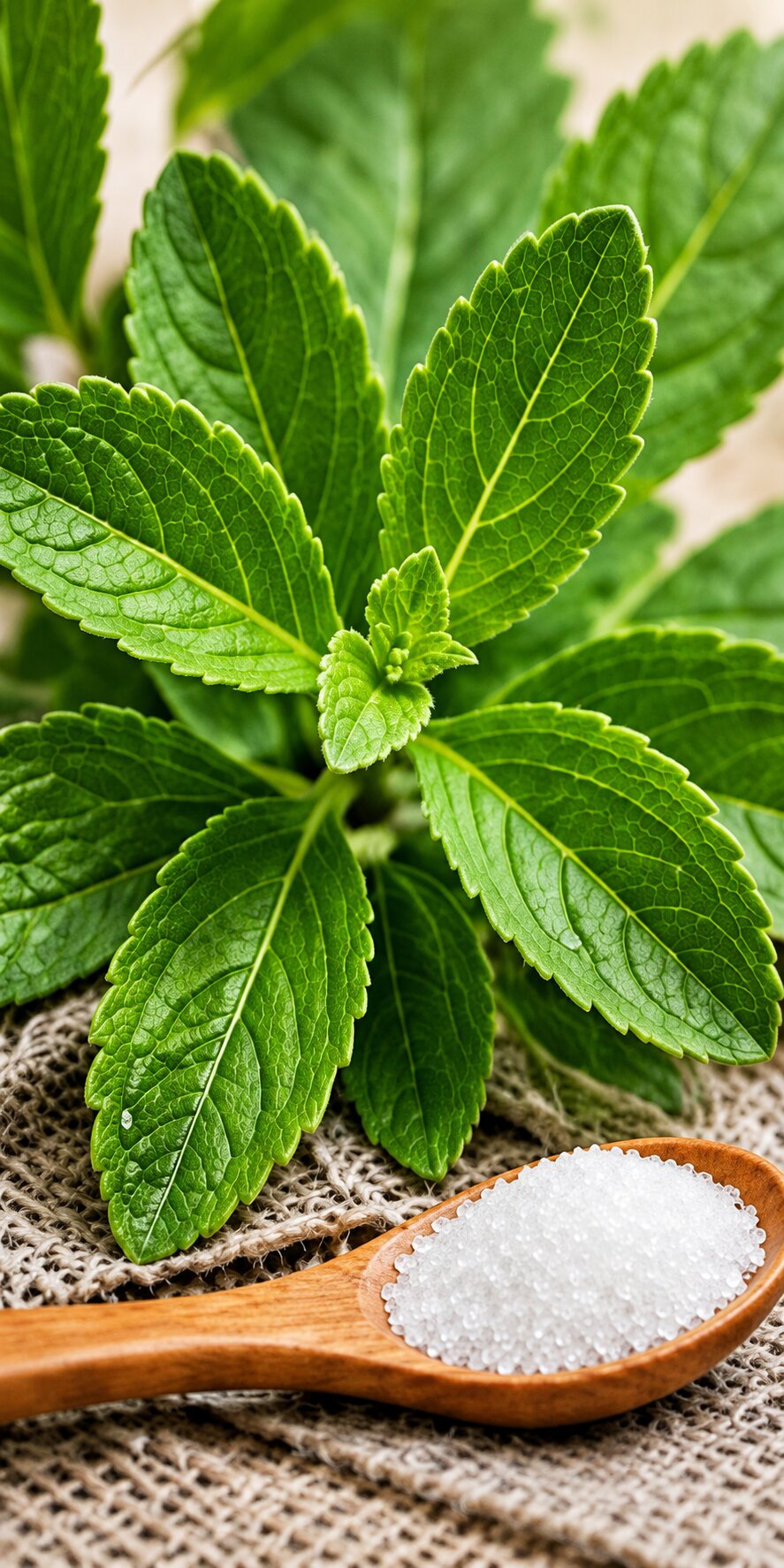
Among the diverse options available, Stevia stands as the definitive anchor and most critical component of the global sugar-reduction movement. Derived from the leaves of the Stevia rebaudiana plant, its exceptional sweetening power and high commercial scalability make it the most viable tool for high-volume product reformulation.
Historically, however, the single greatest hurdle facing the widespread adoption of stevia was its taste profile. Early-generation stevia extracts frequently triggered bitter taste receptors on the tongue, leaving behind a stubborn, lingering metallic or licorice-like aftertaste.
Stelisia has fundamentally solved this historic challenge by pioneering the use of second-generation, enzymatically modified stevia.
By utilizing advanced, precise bioconversion techniques, Stelisia structurally optimizes the naturally occurring glycosides within the stevia leaf. This second-generation technological breakthrough completely eliminates the bitter off-notes and slow sweetness onset associated with older extracts, yielding an excellent, clean taste profile that mirrors the immediate, rounded sweetness of real sugar.
Because Stelisia has transformed stevia into a premium, flawless sensory experience, this advanced sweetener is engineered for high-performance versatility. It is commonly used and excels in:
-
Beverages:
Maintaining crisp clarity and an immediate sweetness release in carbonated soft drinks, juices, functional teas, and flavored waters.
-
Dairy products:
Seamlessly blending into yogurts, plant-based dairy alternatives, and frozen desserts without altering delicate textures or masking dairy flavors.
-
Powdered drinks:
Ensuring uniform dry-blending solubility and rapid dissolution in sports nutrition, meal replacements, and instant drink mixes.
-
Any broad application:
Serving as the definitive, multi-functional drop-in solution for any food, confectionery, or nutraceutical formulation requiring a premium, natural sweetener product.
With Stelisia’s second-generation stevia innovation, manufacturers can finally achieve a clean label and cost-effective scalability without ever compromising on taste.